The Buying Guide: Gloves, Braces, and Splints Without the Marketing
Reader-supported. If you buy through links here we may earn a commission at no extra cost to you. Full disclosure. Not medical advice. See our health disclaimer.

The wrist support aisle sells four different things under twenty different names. Here's the map, what the evidence supports for each, and how to buy the right one the first time.
Know What You're Buying
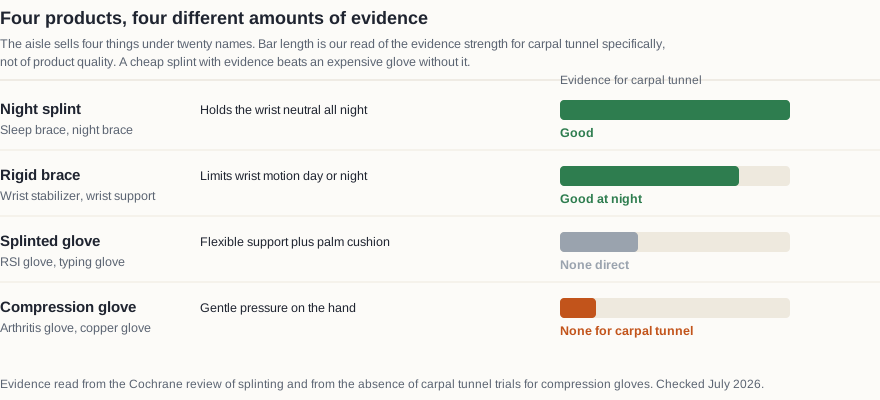
| Product | Also sold as | What it does | Evidence for carpal tunnel |
|---|---|---|---|
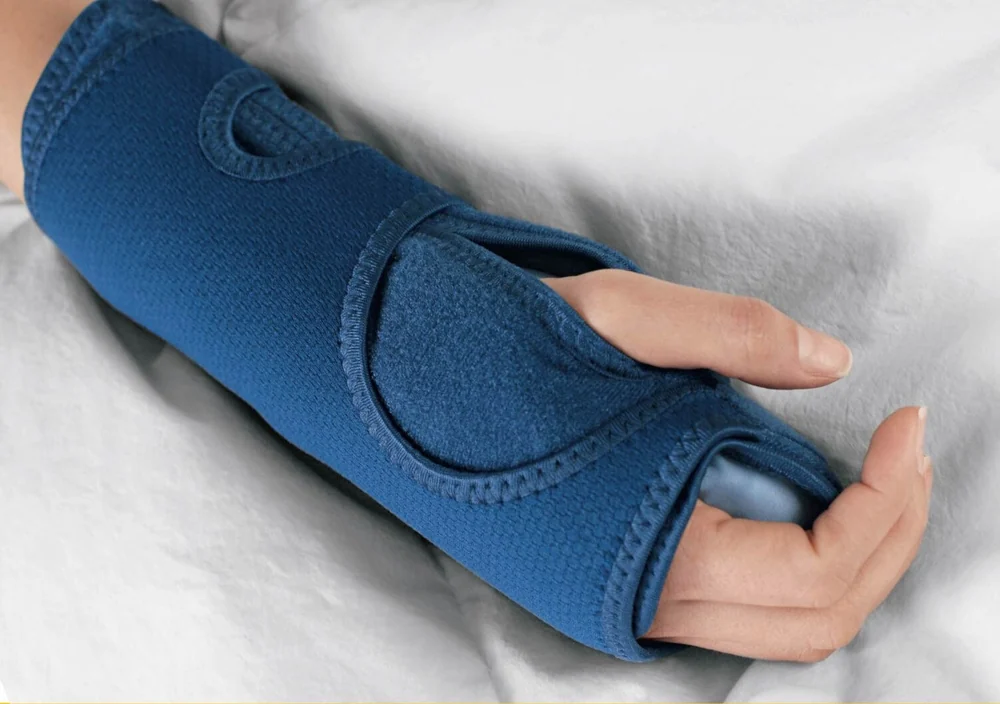
| Night splint | Sleep brace, night brace | Holds wrist neutral during sleep | Good. Randomized trial support |
| Rigid brace | Wrist stabilizer, wrist support | Limits wrist motion day or night | Good at night, use sparingly by day |
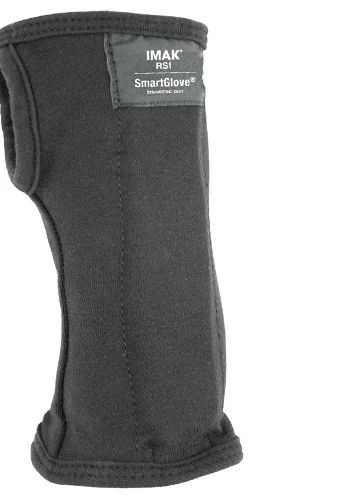
| Splinted glove | RSI glove, typing glove | Flexible support plus palm cushion for work | None directly, sound mechanics for comfort |
| Compression glove | Arthritis glove, copper glove | Gentle pressure on the hand | None for carpal tunnel, mixed for arthritis aching |
The Five Rules of Buying
- Match the tool to the symptom, not the product name. This is the Wrong Tool Problem, and it sinks more buyers than any bad product does. Numbness and tingling call for position control (splint or brace). Aching and swelling call for compression. The word "carpal tunnel" on the package is marketing reach, not a prescription. Full breakdown in gloves vs braces.
- Neutral beats extension. A good splint holds the wrist flat. Some cheap braces cock the wrist backward, which research suggests is less effective. If a brace forces your hand upward, return it.
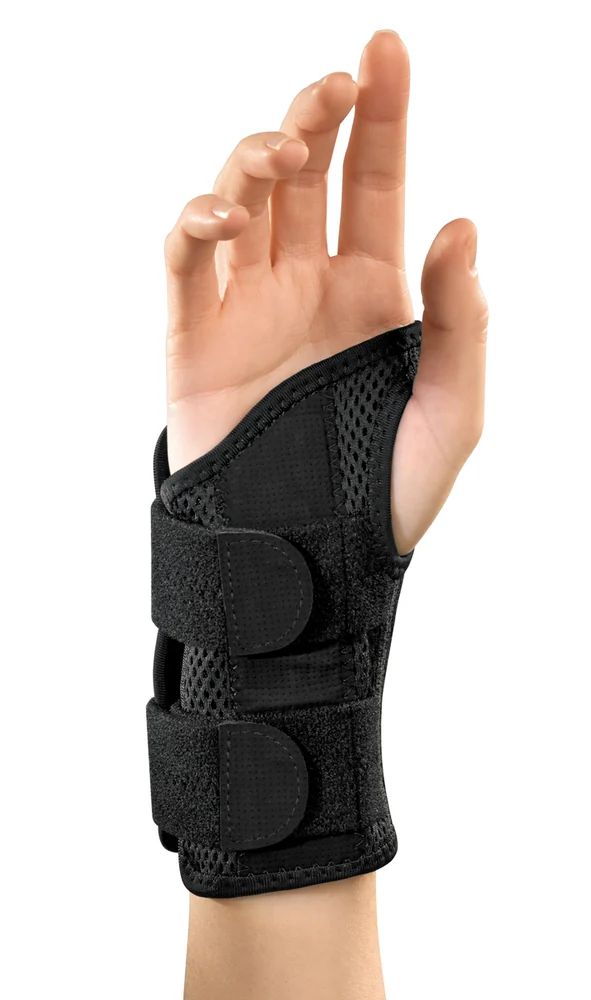
- Fit beats features. A fitted left/right brace in your size, like the Mueller, keeps its splint where it belongs. One-size products work for the middle of the bell curve. Measure your wrist before ordering anything.
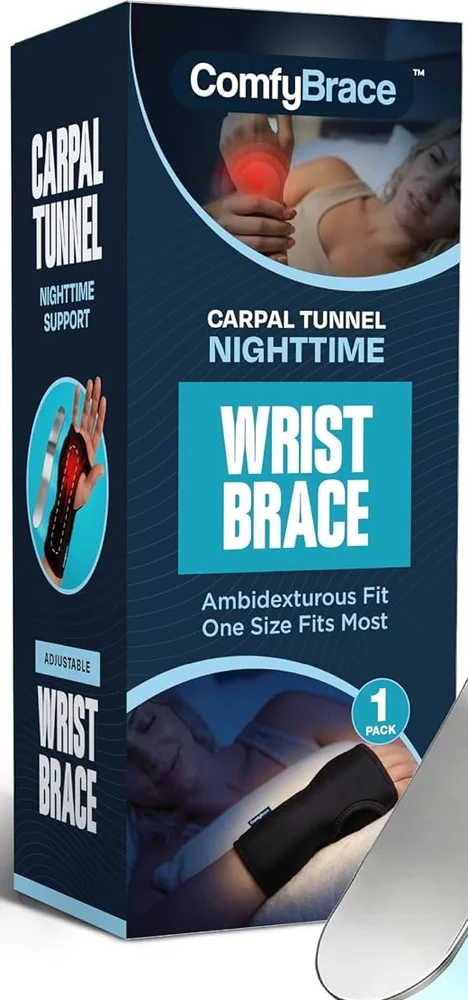
- Comfort is a clinical feature in night splints. The splint that stays on all night wins, whatever the spec sheet says. That's the entire ComfyBrace vs Futuro decision.
- Ignore infusion claims. Copper, and its cousins in this aisle, add story, not therapy. The FDA has said as much about copper. Judge the fabric, the splint, and the fit.
Budget Reality Check
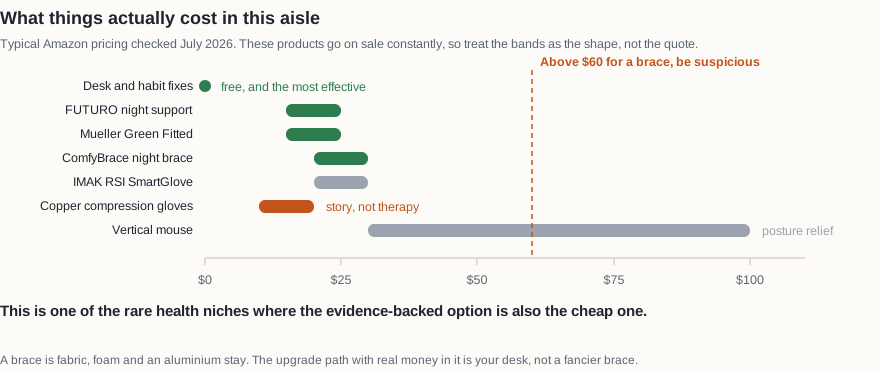
Everything worth buying in this category costs $10 to $30. This is one of the rare health niches where the evidence-backed option is also the cheap one. Be suspicious of anything charging $60 or more for what is fabric, foam, and an aluminum stay. The upgrade path with real money involved is your desk, not a fancier brace.
Frequently Asked Questions
- Do compression gloves work for carpal tunnel?
- There's no solid evidence they treat carpal tunnel itself. They may ease aching, stiffness, and swelling, which is a different problem. For numbness and tingling, use a night splint.
- What's the best home treatment for carpal tunnel?
- Night splinting, by the evidence. Roughly triple the odds of improvement at four weeks versus doing nothing in randomized trials. Pair it with desk fixes and breaks. For background on the condition itself, the AAOS patient guide is solid.
- Do copper gloves do anything?
- The compression does something for some people. The copper does not, per the FDA's position on copper-infused products. You're paying for the story.
- Should I wear a brace all day?
- Night-only wear performed about as well as around-the-clock wear in studies, and your hand needs to move. Rigid brace at night, flexible support like the IMAK SmartGlove for desk hours if you want daytime help.
- How long until a night splint works?
- Judge it at three to four weeks of nightly use. Better nights often show up in week one, but the trial data is a monthly timescale.
- Is surgery worth it?
- That's a doctor conversation, not a blog conversation. What we'll say from the published data: carpal tunnel release has long-term success rates around 90 percent, injections tend to fade over months, and waiting until visible muscle loss produces worse outcomes. Read when to see a doctor and take the red flags seriously.
- Can carpal tunnel go away on its own?
- Mild cases sometimes settle, especially when a trigger changes, pregnancy ends, or workload drops. But the usual course without any treatment is gradual worsening. Early, cheap intervention is the whole argument for this site existing.